
-

Buying a Home in Brisbane? Termite Risks to Check Before You Sign
-Wondering how long pest control lasts in Queensland? Find out treatment timeframes for cockroaches, termites, ants, rodents and more. Book with Cure All today.
0 -

Termite Risk in Forest Lake: Why Homes Here Attract White Ants
-Wondering how long pest control lasts in Queensland? Find out treatment timeframes for cockroaches, termites, ants, rodents and more. Book with Cure All today.
-

Termite Risk in Ipswich: Why Homes Here Attract White Ants
-If you own a property in Ipswich, understanding termite risk in Ipswich is essential. This region is ranked as an extremely active termite zone in South East Queensland, and many homeowners underestimate just how quickly damage can occur.
-
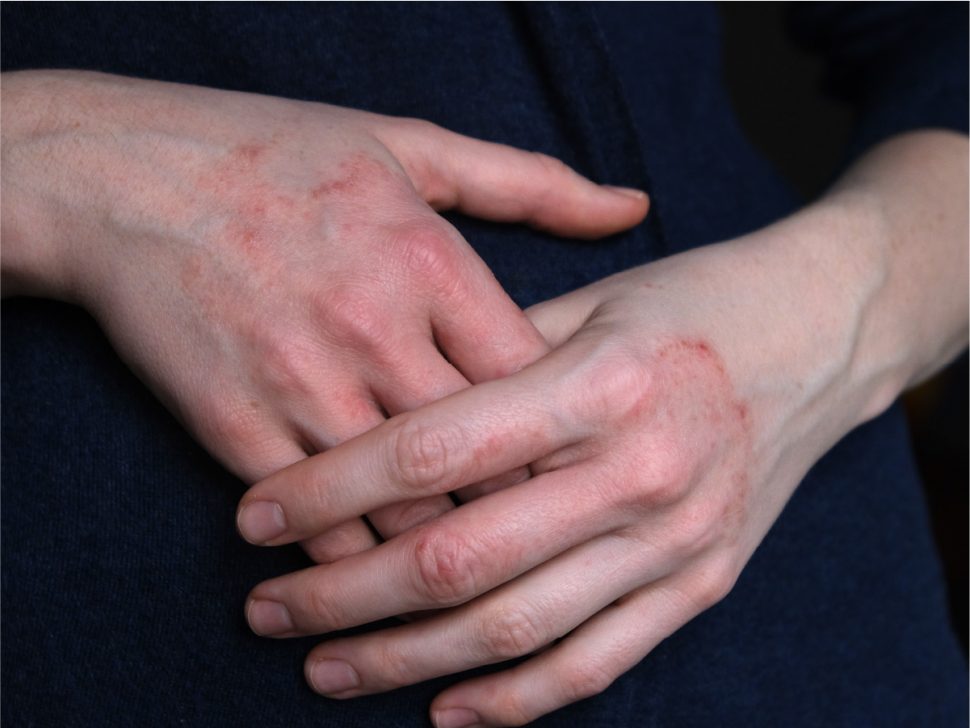
Termites & Your Health: What You Need To Know
-Residents are already aware that left unchecked, termites can impact their home’s structural integrity. But what many people frequently overlook is the potential impact termites can have on our health.
-

8 Signs You Might Have Termites (White Ants)
-The smell of mould, damaged timber, clicking sounds? These are the signs you may have white ants, otherwise known as termites. If you notice any of these eight signs of white ants around your home, contact Cure All Pest Control for an inspection today.
-
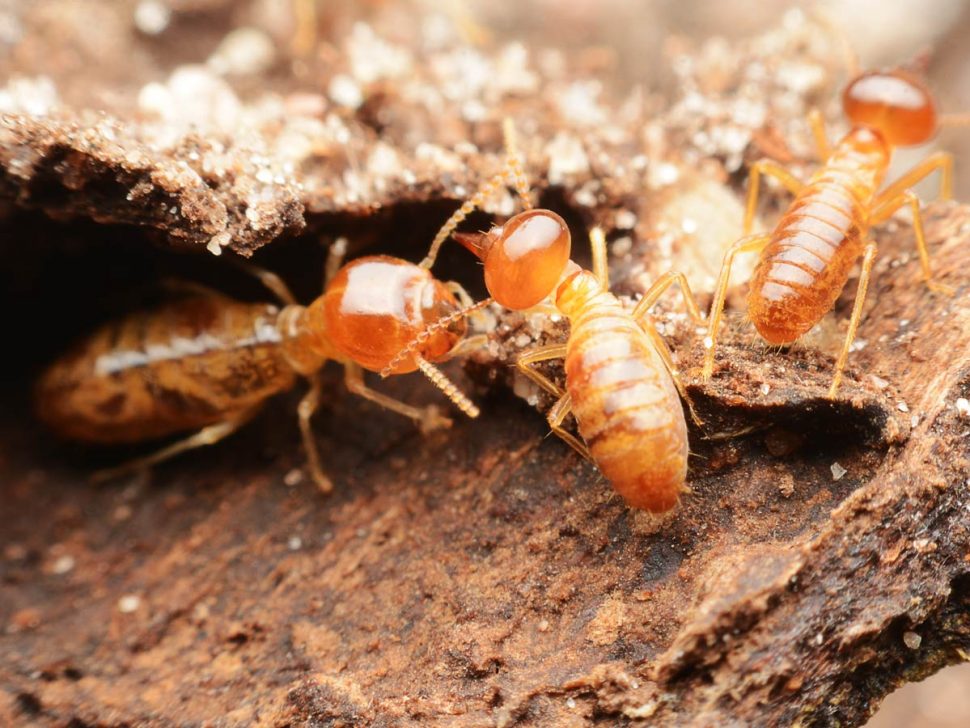
How to tell if you have termites, and what to do next
-Many people don’t realise they have a termite infestation in their home until permanent damage has been done. Their presence may go undetected until a foot goes through a disintegrating floorboard, or the vacuum smashes into weak skirting along the walls.
-
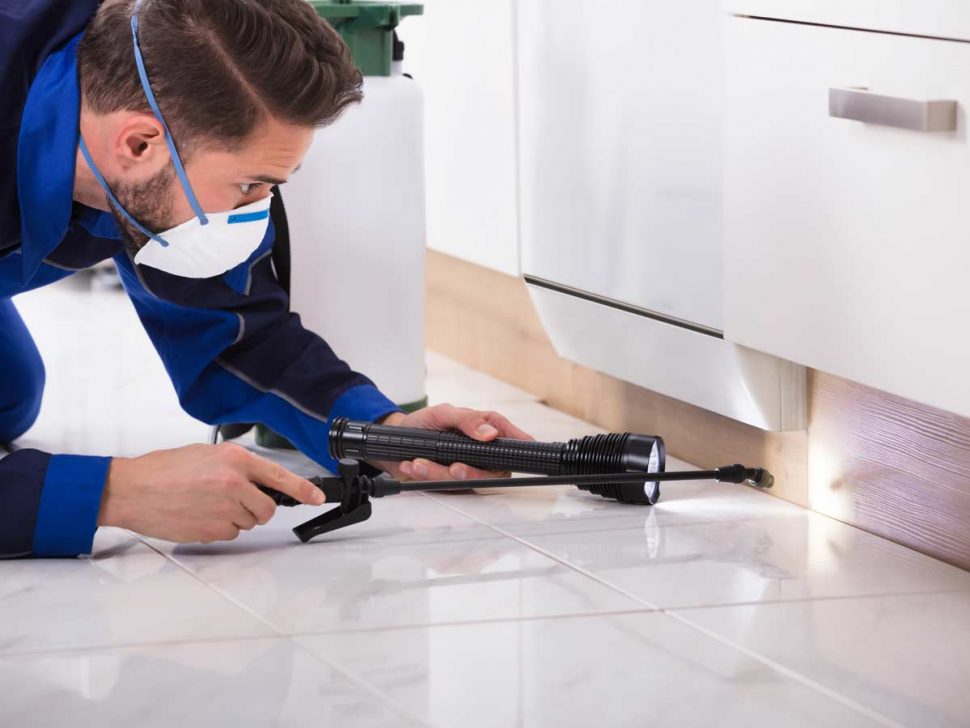
Pest Control Solutions for Termites, Spiders, Fleas, Ants, and more!
-Do you have a reoccurring pest problem? Do you find yourself pulling at your hair, wishing pests would quit returning to your home? Are you at your wit’s end with regularly removing irritating pests from your home?
-

Termite Control Ipswich: Yearly Termite Inspections Saves Homes
-Horror stories about homes ravaged by termite infestations constantly flood news headlines making you thank your lucky stars it hasn’t happened to you.
-
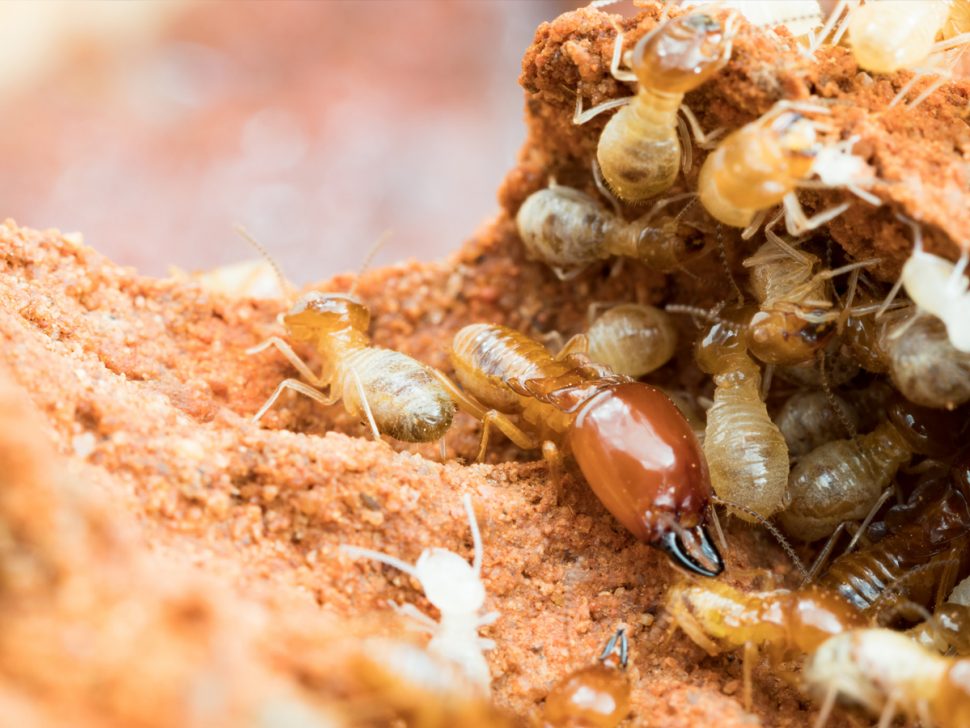
Why Mt Gravatt, Carindale & Brookfield are termite hot spots
-It’s a well-known fact that South-East Queensland, including the Brisbane region, are termite hot spots. But the areas encompassing Mt Gravatt, Carindale, Kenmore and Brookfield, in particular, contain environments where termites thrive.
-
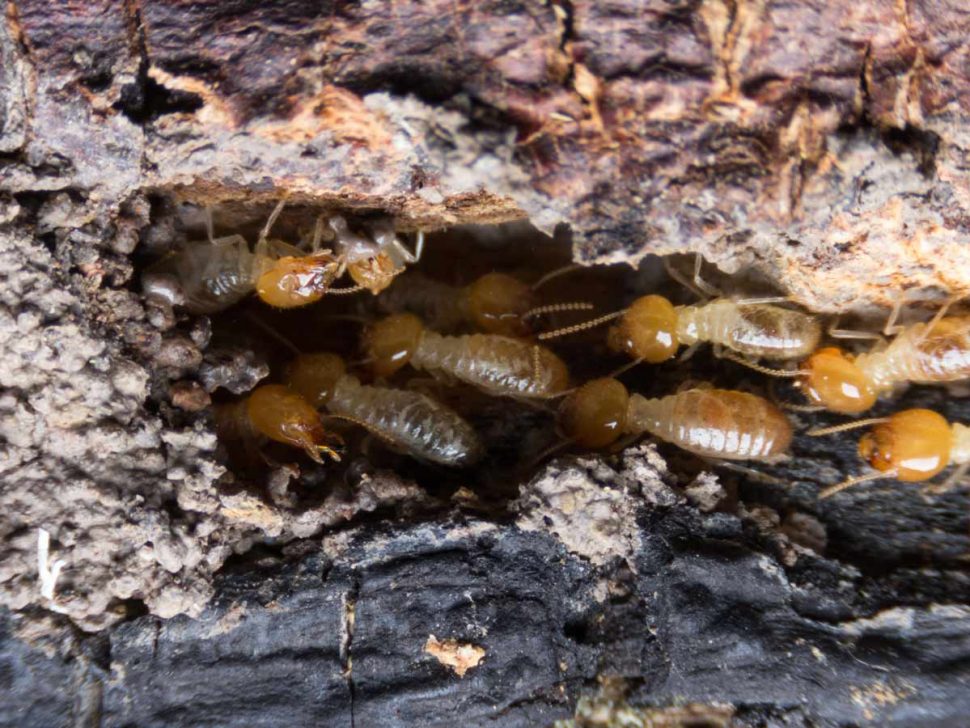
High-risk Termite Season: Are You Protected?
-As temperatures start heating up in Brisbane, so will termite activity, posing the question: is your home protected and ready to withstand a termite invasion?
Termites
Cure-All Pest Control > Termites