Living in South East Queensland means living alongside pests year-round. The subtropical climate, the older housing stock, the timber Queenslanders, the acreage properties — it all adds up to near-perfect conditions for termites, cockroaches, rodents, spiders and more. Yet most homeowners only search for pest control in SE Qld when something has already gone wrong.
This FAQ covers the questions Brisbane and Gold Coast homeowners most commonly ask before, during and after pest control treatments. Whether you’re booking for the first time or wondering why you’re still seeing cockroaches a week after a spray, you’ll find straightforward answers here.

General Pest Control Questions for SE Qld Homeowners
What types of pest control services are available in South East Queensland?
Professional pest control in SE Qld covers a wide range of services, including:
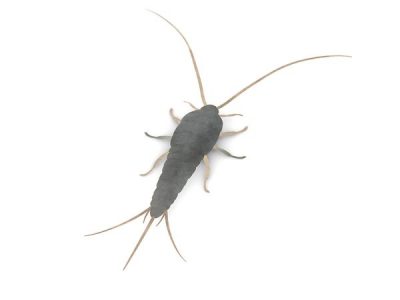
- General pest treatments — targeting cockroaches, ants, spiders, silverfish and other common household pests
- Termite inspections — visual and thermal inspection of your property for termite activity or conditions conducive to an infestation
- Termite treatments — chemical soil barriers, baiting systems and direct timber treatment
- Rodent control — baiting programmes and entry point identification for rats and mice
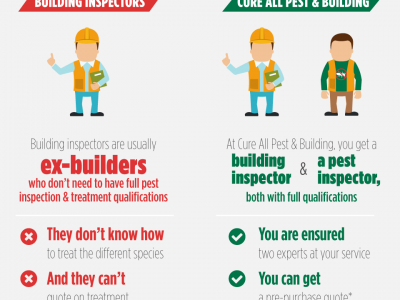
- Pre-purchase pest inspections — required by most property buyers before settlement
- Commercial pest control — ongoing programmes for businesses, body corporates and strata properties
A licensed pest controller in Queensland holds a QBCC licence and, for termite work, must also hold a Queensland Health Pest Management Technician (PMT) licence. Always confirm these before booking.
How often should I get pest control done in Brisbane or the Gold Coast?
For general household pests, most homes in SE Qld benefit from a treatment every 6 to 12 months. The subtropical climate means pest activity doesn’t have a true ‘off season’ the way it does in cooler parts of Australia — cockroaches, spiders and ants remain active year-round.
For termites, the Australian Standard AS 3660.2 recommends an annual termite inspection for most properties. Homes in high-risk areas — including homes with significant timber construction, properties near bushland, or homes that have had previous termite activity — may warrant inspections every six months.
What is the difference between a general pest spray and a targeted pest treatment?
A general pest spray typically involves the application of a residual insecticide around the perimeter of a home, sub-floor, roof void and interior surfaces. It targets a broad range of crawling insects.
Targeted treatments are specific to a single pest type. German cockroach treatments, for example, use gel baits placed in harborage points inside kitchen and bathroom cabinetry — not a spray. Rodent control uses baiting stations or trapping, not insecticide. Using the right method for the pest matters considerably for effectiveness.
Termite Questions
How do I know if I have termites in my Brisbane or Gold Coast home?
Termites in SE Qld are notoriously difficult to detect without professional equipment. By the time visible signs appear, significant damage has often already occurred. Signs to watch for include:
- Hollow-sounding timber when tapped
- Mud leads (thin mud tubes) running along foundations, stumps or internal walls
- Tight-fitting doors or windows that weren’t tight before
- Visible damage to skirting boards, door frames or flooring
- Discarded wings near windowsills (a sign of a termite swarm)
If you notice any of these, stop probing or disturbing the area and call a licensed termite inspector. Disturbing termites can cause them to retreat deeper into the structure, making the colony harder to locate and treat.
How much does a termite inspection cost in SE Qld?
Termite inspection costs in Brisbane and the Gold Coast typically range from $200 to $350 for a standard residential property, depending on the size and accessibility of the home. Properties with difficult roof void or sub-floor access, or those requiring thermal imaging, may cost more.
A combined pre-purchase pest and building inspection is usually priced separately from a standard termite inspection and covers both timber pest activity and structural defects.
Does home insurance cover termite damage in Queensland?
No. Standard home and contents insurance policies in Australia do not cover termite damage. This is one of the most significant financial risks facing Queensland homeowners, given the state’s high termite pressure. Annual termite inspections are the primary protection strategy available.
What is a termite barrier and how long does it last?
A termite barrier is a chemical or physical system installed around and beneath a property to prevent termites from entering through the soil. Chemical barriers use APVMA-registered termiticides applied to the soil around the building’s perimeter and under the slab. Physical barriers include materials installed during construction that block termite entry points.
Most chemical termite barriers carry a warranty of 8 years, though this varies by product and soil conditions. The barrier must be inspected annually and maintained to remain effective. Any disturbance to the treated zone — landscaping, concreting or garden bed changes — can compromise the barrier and should be reported to your pest controller.
Safety and Preparation Questions
Is pest control safe for children and pets?
Modern pest control products registered for use in Australia by the APVMA are formulated to minimise risk to humans and pets when applied correctly by a licensed technician. That said, certain precautions are standard practice:
- Vacate the property for the period recommended by your technician (typically 2 to 4 hours for a general treatment)
- Ensure pets, pet food and water bowls are removed from treatment areas
- Keep children and pets off treated surfaces until they are dry
- Ventilate the home well after re-entry
If anyone in the household is pregnant, breastfeeding, immunocompromised or has chemical sensitivities, let your pest controller know before the treatment. In many cases, targeted treatments that don’t involve broadcast spraying are a suitable alternative.
What do I need to do to prepare my home before pest control?
Preparation requirements depend on the type of treatment, but for a general pest spray in SE Qld homes, you’ll typically need to:
- Clear kitchen benchtops and move small appliances away from walls
- Remove pets and cover or relocate fish tanks
- Ensure all food is stored in sealed containers or the fridge
- Provide access to roof void, sub-floor and any outbuildings
- Move stored items away from garage and shed walls
Your pest controller should provide a preparation checklist before your appointment. If they don’t, ask for one.
How long does pest control last?
Longevity depends on the pest type and treatment method:
- General pest spray — typically 6 to 12 months
- German cockroach gel bait — results within days, but reinfestation can occur without addressing hygiene conditions
- Termite chemical barrier — 8 years (product-dependent; annual inspection required)
- Termite baiting system — ongoing; requires regular monitoring visits
- Rodent control — one-off treatments address an active infestation, but ongoing exclusion and hygiene measures are needed to prevent recurrence
No pest control treatment offers permanent protection in perpetuity. SE Qld’s climate means pest pressure is constant, and treatments need to be maintained accordingly.
Specific Pest Questions
Why do I still have cockroaches after pest control?
This is one of the most common post-treatment questions. A few things to understand:
German cockroaches in particular are highly resilient and live deep inside cabinetry and wall voids. A spray treatment alone is rarely sufficient for a German cockroach infestation — gel baiting in harborage points is the more effective approach. After a proper treatment, you may still see cockroaches for 1 to 2 weeks as the population reduces. This is normal.
If cockroaches persist beyond two weeks, the infestation may require a follow-up treatment, or hygiene conditions may be sustaining the population (accessible food, moisture, harborage). Your pest controller should offer a follow-up service in this situation.
Are funnel-web spiders found in Brisbane and SE Qld?
Yes. The northern rivers funnel-web (Hadronyche species) is found in parts of South East Queensland, including hinterland areas around the Gold Coast and Sunshine Coast. While Sydney funnel-webs (Atrax robustus) are not established in SE Qld, local funnel-web species are still medically significant and should be treated with caution.
If you’re seeing large, dark, ground-dwelling spiders on your property — particularly in garden beds, under logs or near the house perimeter — a professional spider treatment and property inspection is worthwhile. First aid for a suspected funnel-web bite is pressure immobilisation; seek emergency medical care immediately.
How do rodents get into SE Qld homes?
Rats and mice in Brisbane and the Gold Coast typically enter through gaps as small as 20mm. Common entry points include:
- Gaps around plumbing penetrations through walls and floors
- Damaged roof vents or eaves
- Gaps where the roof meets the wall cladding
- Open sub-floor access panels
- Gaps around garage doors and door frames
High-set Queenslander-style homes are particularly susceptible, given the open sub-floor. Rodent control in these properties requires both baiting and a thorough entry point assessment, since baiting alone won’t prevent reinfestation if access points remain open.
What pests are most active in SE Qld in summer?
Pest activity in South East Queensland generally increases significantly from October through to April. Pests that peak in warmer months include:
- Termites (swarming activity peaks in spring and early summer)
- Cockroaches (German and American species)
- Spiders (including redbacks and funnel-webs)
- Ants (particularly fire ants and black house ants)
- Mosquitoes
- Rodents (seeking cooler shelter inside as outdoor temperatures rise)
Booking a general pest treatment heading into summer is good practice for SE Qld homeowners, rather than waiting until an infestation is visible.
Booking and Licensing Questions
How do I choose a licensed pest controller in SE Qld?
When selecting a pest control company in Queensland, verify the following:
- QBCC licence — required for all pest management work in Queensland, including general pests and timber pests. You can verify a QBCC licence at the QBCC website.
- Queensland Health PMT licence — required specifically for timber pest work (termite inspections and treatments)
- Insurance — public liability insurance should be in place
- Experience with local conditions — SE Qld has specific pest pressures, housing types and soil conditions that require local knowledge
Be cautious of operators offering unusually low prices. Termite inspections conducted quickly without thermal imaging or a thorough sub-floor inspection are not compliant with Australian Standard AS 3660.2.
Does a pest control company need a licence to operate in Queensland?
Yes. All pest management technicians operating in Queensland must hold a licence issued by the Queensland Building and Construction Commission (QBCC). For timber pest work — including termite inspections, treatments and pre-purchase inspections — a Pest Management Technician (PMT) licence issued by Queensland Health is also required.
Unlicensed pest control is illegal in Queensland and puts homeowners at risk, both in terms of ineffective treatment and potential liability issues on property sales.
About Cure All Pest Control
Cure All Pest Control has been servicing Brisbane, the Gold Coast and South East Queensland since 1966. Our technicians hold both QBCC and Queensland Health PMT licences and use only APVMA-registered products. We provide general pest treatments, termite inspections and treatments, pre-purchase pest inspections, rodent control, and commercial pest management across the SEQ region.
If you’ve got a pest problem — or you’d rather not have one — get in touch with our team or book a pest inspection online.