High-set homes are one of the most recognisable parts of Queensland’s housing stock, from classic timber Queenslanders on stumps to newer builds raised above a usable subfloor. They come with genuine advantages, a few real drawbacks and a handful of practical realities that only become obvious once you’re living in one. If you’re buying, building or already own a high-set home in Brisbane or South East Queensland, here’s what’s worth knowing beyond the real estate listing.
What Actually Counts as a High-Set Home
A high-set home is typically raised on stumps, piers or a subfloor level high enough to walk or store belongings underneath, as opposed to a low-set or slab-on-ground home. The style is closely tied to the traditional Queenslander, originally elevated for airflow, flood resilience and to keep timber framing away from damp ground.

The Pros
Airflow and cooling. Elevation allows air to move freely beneath the home, which helps timber floors stay cooler in Queensland’s humid summers compared with a home sitting directly on a slab.
Flood and storm resilience. Raised flooring keeps living areas further from ground-level water during heavy rain events, which matters in low-lying pockets of Brisbane and the Gold Coast.
Usable subfloor space. The area underneath can often be used for storage, parking, a workshop or even future conversion into additional living space, subject to council approval.
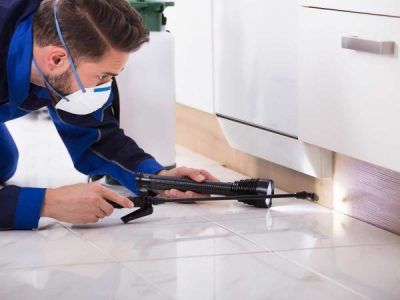
Easier structural access. An open subfloor makes it far simpler for tradespeople and pest professionals to inspect plumbing, wiring and structural timber without cutting into walls or floors.
Character and resale appeal. Traditional high-set homes, particularly older Queenslanders, tend to hold strong buyer interest for their character features, verandahs and street presence.
The Cons
Stairs and accessibility. Multiple external steps can be a genuine barrier for young families, older residents or anyone with mobility limitations, and retrofitting a lift or ramp is a significant cost.
Maintenance demands. Timber stumps, external stairs, balustrades and under-house areas all need regular upkeep, and older homes may require stump replacement or levelling over time.
Higher renovation costs. Extending or enclosing a high-set home often costs more than equivalent work on a slab home, due to the structural engineering involved in working around stumps and bearers.
Insurance and finance considerations. Some insurers assess high-set and older timber homes differently, and lenders may request additional building reports before approving finance on older stump homes.
What No One Tells You: The Subfloor Reality
This is the part that catches a lot of high-set homeowners off guard. The same open subfloor that makes a home cooler and easier to inspect also creates an accessible space that pests find just as appealing as tradespeople do.
Rodents in particular are drawn to the elevated subfloors, timber frames and ventilation gaps typical of older Queenslander-style homes, which give them far more entry points and nesting opportunities than a modern slab home offers. Left unchecked, this can mean rats or mice establishing themselves under the house well before they’re noticed indoors.
Termites are the other major consideration. Warm, humid conditions combined with timber stumps, bearers and joists create ideal feeding conditions, and it’s well worth understanding the specific pest risks that come with older timber Queensland homes if you’re buying or already living in one. The upside is that the same open subfloor making termite access easier also makes termite detection considerably easier, since a professional can walk the full underside of the home rather than relying on partial slab inspections.
Making the Subfloor Work in Your Favour
A few habits go a long way towards keeping a high-set home’s subfloor an asset rather than a liability:
- Keep the area underneath clear of stored timber, cardboard and general clutter that can shelter rodents and provide termite food sources
- Maintain clear airflow by avoiding fully enclosing the subfloor without adequate ventilation
- Address any leaking pipes, gutters or downpipes promptly, since moisture under the house is one of the strongest attractants for both termites and rodents
- Schedule regular professional inspections rather than relying on a visual check from ground level, since termite activity can be well underway before it’s visible
Queensland’s Australian Standard AS 3660.2 recommends annual termite inspections for most properties, and our SEQ pest control FAQs cover how often high-set and high-risk homes in particular should be checked.
Should You Buy or Build High-Set?
For many Queensland buyers, the trade-off is worth it. The airflow, flood resilience, character and easier structural access tend to outweigh the stairs and maintenance demands, particularly on blocks prone to water pooling or in suburbs where high-set homes dominate the streetscape. The key is going in with realistic expectations about upkeep, including a proactive approach to what’s happening under the house rather than out of sight and out of mind.
If you’re buying an older high-set home, a pre-purchase pest and termite inspection is one of the most valuable checks you can commission before settlement. And if you already live in one, getting a professional set of eyes under the house at least once a year is one of the simplest ways to protect what is likely your biggest asset. Get in touch with our team to arrange an inspection or discuss ongoing subfloor pest management for your property.