Local flora plays a double role in pest management across Australian gardens. Some plants attract pests by offering food, shelter, nectar or moisture, whilst others help reduce pest pressure by repelling insects with strong oils or by supporting beneficial predators. For homeowners the real lesson is that plant choice, placement and maintenance matter just as much as the plants themselves.
How Plants Influence Pest Activity
Garden plants affect pests in three main ways. They provide food, such as nectar, sap, fruit or tender new growth. They create shelter, shade and moist microclimates that pests use to hide and breed. And they can either support beneficial insects and birds, or unintentionally shelter pest insects and animals.
In South East Queensalnd’s climate, these effects are more pronounced than in cooler regions. Warm temperatures and seasonal rain mean lush growth and standing water can quickly turn a garden bed into prime habitat for mosquitoes, ants, scale insects and other common pests found throughout the region.
Garden Plants That Can Increase Pest Activity
Many popular garden plants can inadvertently increase pest activity if they are poorly placed or poorly maintained. Fruiting trees, dense hedges, overwatered beds and flowering species with abundant nectar may draw insects, birds and sometimes rodents, especially if fallen fruit is left to accumulate.
Conditions that tend to attract pests include:
- Dense foliage that traps humidity and limits airflow
- Excess mulch, leaf litter and organic debris
- Overripe fruit or seed pods left on the ground
- Standing water in saucers, bromeliad cups, pots or gutters
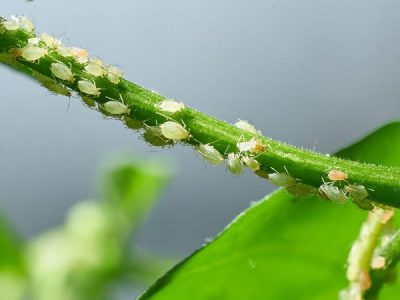
- Soft new growth that attracts sap-sucking insects such as aphids and scale
It’s worth noting that a plant ‘attracting pests’ doesn’t necessarily mean it’s a poor choice for your garden. More often, it means the surrounding conditions, growth habit or maintenance routine have created a pest-friendly environment. Even nectar-rich natives like grevillea, bottlebrush and banksia, prized for supporting birds and pollinators, can increase general insect activity around patios and entryways if planted too close to living spaces.
Invasive or listed pest vegetation is a further consideration for SEQ gardens. Unmanaged weeds and garden escapes can provide shelter, food and spread pathways for pests well beyond the original planting.
Plants That May Help Repel Pests
Some plants earn a place in Aussie gardens because their oils or fragrance appear to deter certain insects. The strongest examples for local conditions are scented natives and aromatic shrubs, often placed near outdoor living areas:
- Lemon-scented tea tree (Leptospermum petersonii), known for its strong lemon-like scent
- Lemon myrtle (Backhousia citriodora), with citrus-scented foliage
- Native mint bush (Prostanthera species), which carries a minty fragrance
- Native rosemary (Westringia fruticosa), a low hedging plant often associated with attracting beneficial insects rather than pests
These plants may reduce attraction for some pests, particularly mosquitoes and nuisance insects, but they aren’t a standalone control method. Their effect is strongest when foliage is brushed, crushed or planted close to seating areas where the scent is more noticeable, and they work best as part of a broader strategy that also removes breeding sites and improves airflow.
Beneficial Insects and Garden Balance
A useful perspective for any homeowner is that local flora can improve pest control when it attracts predators and pollinators rather than pests. Native plants such as grevillea, bottlebrush, banksia and lomandra support bees, butterflies, nectar-feeding birds and other beneficial species that help keep garden ecosystems balanced.
This matters because pollinators improve biodiversity and garden resilience, whilst birds and predatory insects can reduce nuisance insect populations naturally. A diverse, well-spaced and properly maintained garden generally experiences fewer explosive pest outbreaks than a sterile, over-managed landscape. In practice, a ‘pest-friendly’ garden is often simply a poorly balanced one.
Australia-Specific Risk Factors
A few recurring pest pressures in Aussie gardens are strongly influenced by local flora and climate:
- Mosquitoes: dense shade, irrigation, bromeliads, gutters and water features all increase breeding opportunities
- Ants: honeydew-producing insects on soft foliage or overwatered plants can draw ants into the garden and towards structures
- Scale, aphids and mealybugs: lush, nitrogen-rich growth increases susceptibility, particularly in hedges and ornamentals
- Rodents and birds: fruiting trees, fallen fruit and thick cover create food and shelter around homes
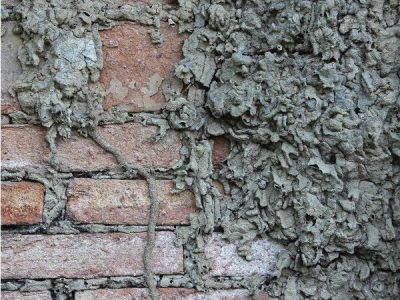
Garden beds built hard up against the home are a particular concern in this climate, since they can create moisture-rich conditions that attract termites and other pests right at the building line. For Brisbane and coastal SEQ conditions generally, invasive plant species and biosecurity risks are worth checking before adding new plants to your garden.
Practical Planting Advice for a Lower-Pest Garden
Smart planting reduces pest pressure, whilst careless planting increases it. A few best-practice points to apply across the garden:
- Plant fragrant or repellent species near patios, pathways and entry points, rather than directly against walls
- Avoid overcrowding shrubs and hedges, since airflow reduces humidity and pest harbourage
- Remove fallen fruit, dead flowers, seed debris and heavy leaf litter regularly
- Keep garden beds and mulch clear of building edges where possible
- Drain standing water quickly after rain, especially around pots, trays and water features
- Prune for structure and airflow, not just appearance
Pairing ‘protective’ planting with ongoing maintenance is far more effective than relying on a single species. Lemon myrtle might be a useful border plant near an entertaining area, but it won’t solve a mosquito problem if the gutters are blocked or water is pooling nearby. If you’d like a professional assessment of the pest risks your current garden layout might be creating, our termite and pest protection services cover inspections and treatment for homes across Brisbane and the Gold Coast.
Conclusion
Local flora will always play a role in either attracting or repelling pests around your home. Rather than avoiding plants altogether, the goal is a considered, well-maintained garden that leans towards balance: fragrant natives near living areas, good airflow through hedges, no standing water and prompt removal of fallen fruit and debris. If pest activity is already established in your garden or home, get in touch with our team for a tailored inspection and treatment plan.